



Bezos enters Liverpool, England remains a hotbed of football capital

12/08/2026 15:00:32 给我擦皮鞋
 0
0  0
0
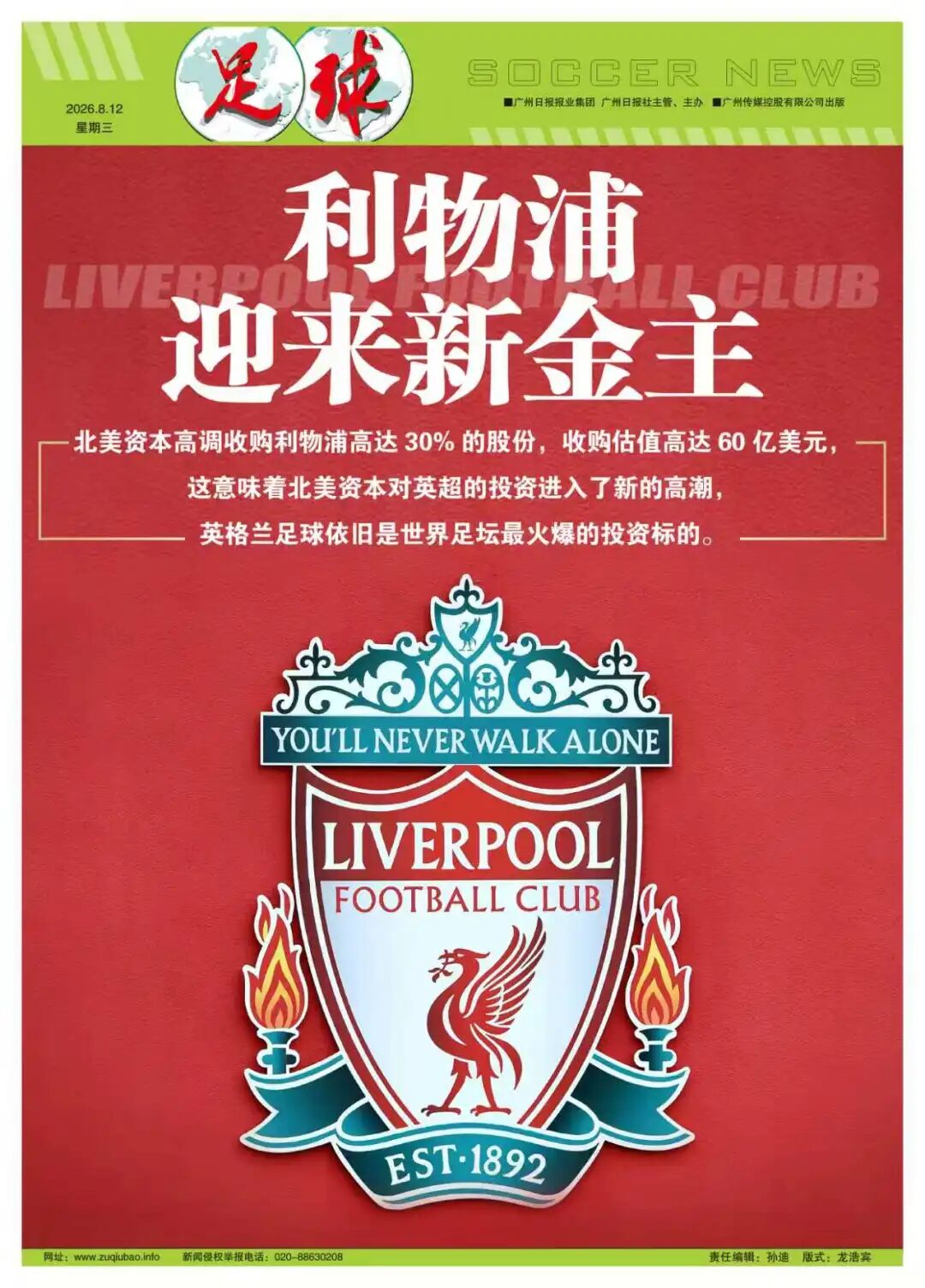
Written by Han Bing. The new Premier League season will open next weekend, but the real "stunning news" is not the summer window's transfer investment far ahead of the four major European leagues, but the North American capital's high-profile acquisition of a 30% stake in Liverpool. This will bring about a historic change in the capital structure of this Premier League giant. At the same time, it also means that after the World Cup, North American capital is accelerating its entry into the Premier League, and English football remains the most booming investment hotspot in world football.
Sky News and Qatar's Al Jazeera reported that the total value of this North American capital acquisition is about £1.35 billion ($1.8 billion), with a total valuation of Liverpool at £4.44 billion ($6 billion). The acquisition price is second only to the 2022 acquisition of Chelsea by North American Clearlake Capital (£2.5 billion), surpassing Sir Ratcliffe's acquisition of Manchester United in 2023 (£1.25 billion), ranking second in the world football club acquisition price list. Liverpool's valuation of $6 billion in this acquisition is second only to Ratcliffe's valuation of Manchester United in 2023 ($6.35 billion), exceeding the valuation of $5 billion when North American Silver Lake Capital acquired a 10% stake in Manchester City in 2019, and the valuation of $4.35 billion when North American Brown Bear Capital acquired a 12.5% stake in Paris Saint-Germain in 2023.
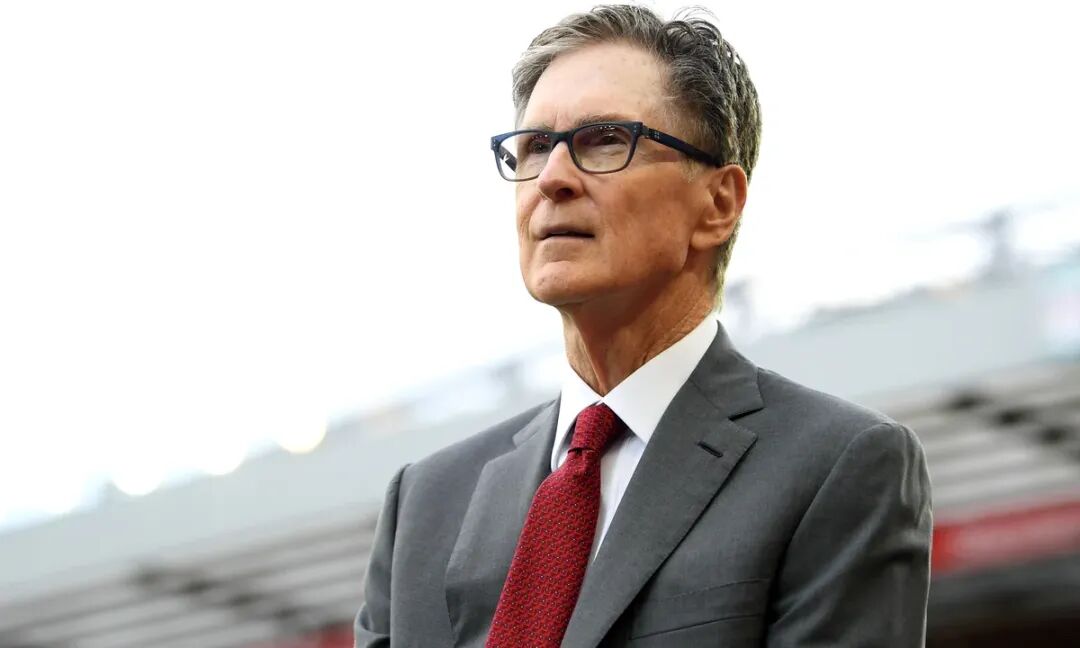
This acquisition is a significant capital boon for Liverpool's major shareholder, Fenway Group. After all, Fenway Group acquired Liverpool for only £300 million at a low price, and now selling a 30% stake yields a fivefold return on capital while still maintaining absolute control. Of course, what is most noteworthy for the world football community and fans, besides the acquisition amount, is that among the North American capital group involved in this acquisition, Amazon founder and former world's richest man Jeff Bezos is prominently listed. Currently, Bezos has a net worth of nearly $300 billion, ranking third in the world in wealth, after Musk and Larry Page.
Leading the acquisition is British-Indian billionaire Bhatia, who is the son-in-law of Indian steel magnate Mittal. He had previously acquired London's Queens Park Rangers, with a relatively small investment, so he is not unfamiliar to British media and fans. Another super-rich member of the acquisition consortium is Saverin, one of the co-founders of Facebook, with a net worth of $32 billion. He had led an attempt to acquire Chelsea four years ago but lost to competitors led by Boehly and Clearlake Capital. After four years, he has finally succeeded in entering the Premier League capital market with substantial funds.
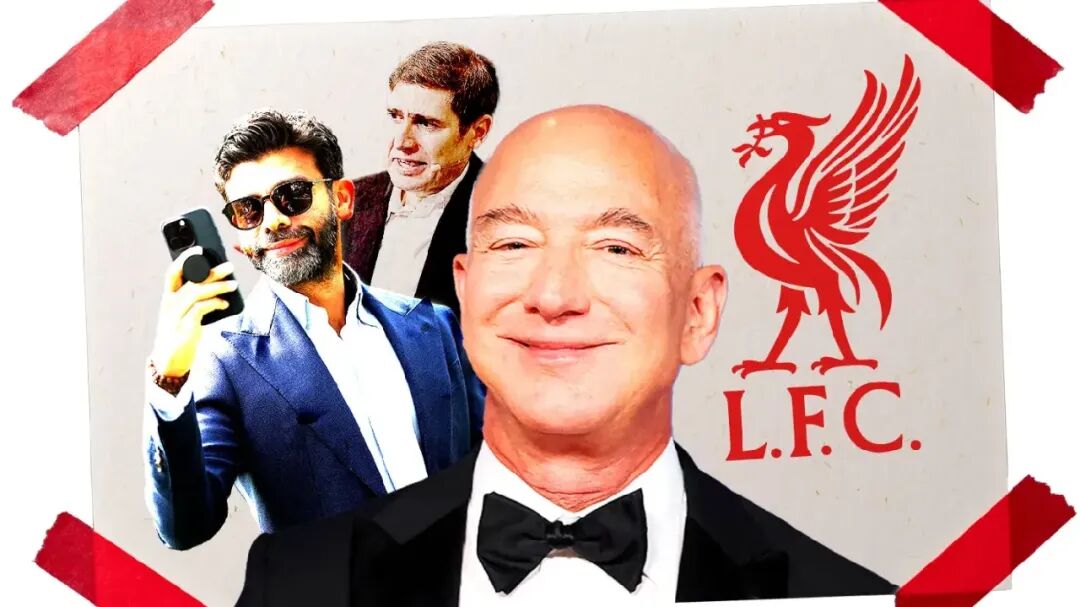
The reason why Bezos, who also participated in the acquisition, is so closely watched is that this is the first time the former world's richest man has invested in a football club. Although his Amazon Prime Video has been a major player in the global football broadcasting rights market, owning 20 Premier League matches per season in the UK and broadcasting the Champions League in several European countries, he had previously only attempted to acquire two NFL clubs, both unsuccessfully. In this acquisition of a 30% stake in Liverpool by North American capital, Bezos's personal investment is not expected to be high, but the symbolic significance is enormous.
Bezos's entry means that North American investment in the Premier League has reached a new climax. The 2026 World Cup in the United States, Mexico, and Canada has made North American capital more optimistic about the prospects of investing in the Premier League. The World Cup final on July 19 attracted 60 million viewers in the United States, making it the most-watched non-NFL (National Football League) game in the US since 1994. Meanwhile, the number of US viewers of Premier League broadcasts on NBC is now comparable to that of NBA regular season games. The Premier League's total domestic and international broadcasting rights worth over $10 billion, along with the immense commercial value brought by its global influence, are the fundamental reasons for the accelerated investment by North American capital. After all, unlike the NFL, the most profitable professional sports league in North America, Premier League clubs can retain almost all broadcasting and commercial revenues. North American capital is flocking in to maximize profits.
Earlier this year, Deloitte's "Football Money League" report confirmed that Liverpool surpassed Manchester City, Arsenal, and Manchester United to become the Premier League's highest-earning club for the first time. In the 2024/25 season, the club's revenue reached €836 million. With the continued expansion of Anfield, future revenue growth is expected to be substantial. The entry of North American capital into Liverpool this summer is also a good time for competitive success. Liverpool has just undergone a comprehensive overhaul, and the new head coach and football management team offer hope for good results in the new season. With Guardiola's departure and Arsenal's title win, the competition for the Premier League title in the new season is more open. The new capital, including Bezos, will give Liverpool more capital advantages in the competition.
Not only Liverpool, but North American capital is also attempting to acquire other English clubs this summer. Amanda Staveley, the female football investment broker who led the Saudi capital acquisition of Newcastle United, is currently leading a consortium including American capital to acquire the recently relegated West Ham United. The buyer has reached a £150 million agreement to acquire a 25.1% stake in West Ham United, with the aim of full control. In the new season, up to 11 of the 20 Premier League clubs are controlled by American capital, and 12 have American capital shares. Among the 24 Championship clubs, 10 are controlled by American capital, and even in League One and League Two, there are 7 American-owned clubs. At least three American capital groups are seeking to control new English professional clubs.


Wonderfulshortvideo
mbappe news mbappe edit mbappe new shoe boot deal mbappe nike


julian alvarez barcelona news
James Trafford’s big moment in the U21 EURO final 🤯

RODRI BARCELONA transfer barcelona news today rodri to barcelona transfer here we go
gianni infantino and trump drama news

jorge messi death messi news today football news today
jose mourinho netflix documentary pep guardiola mourinho beef mourinho edit
 Links
Links
 Contact